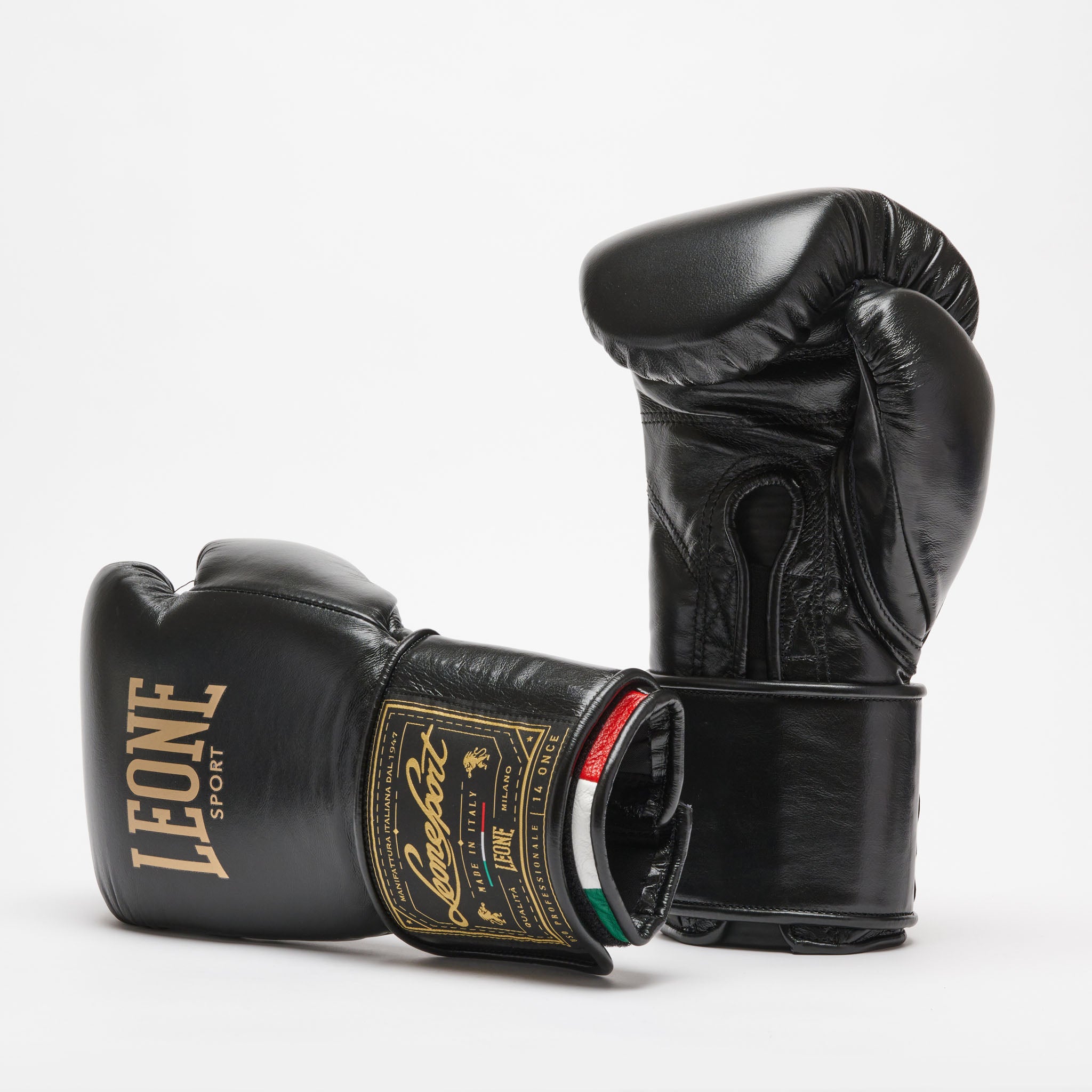
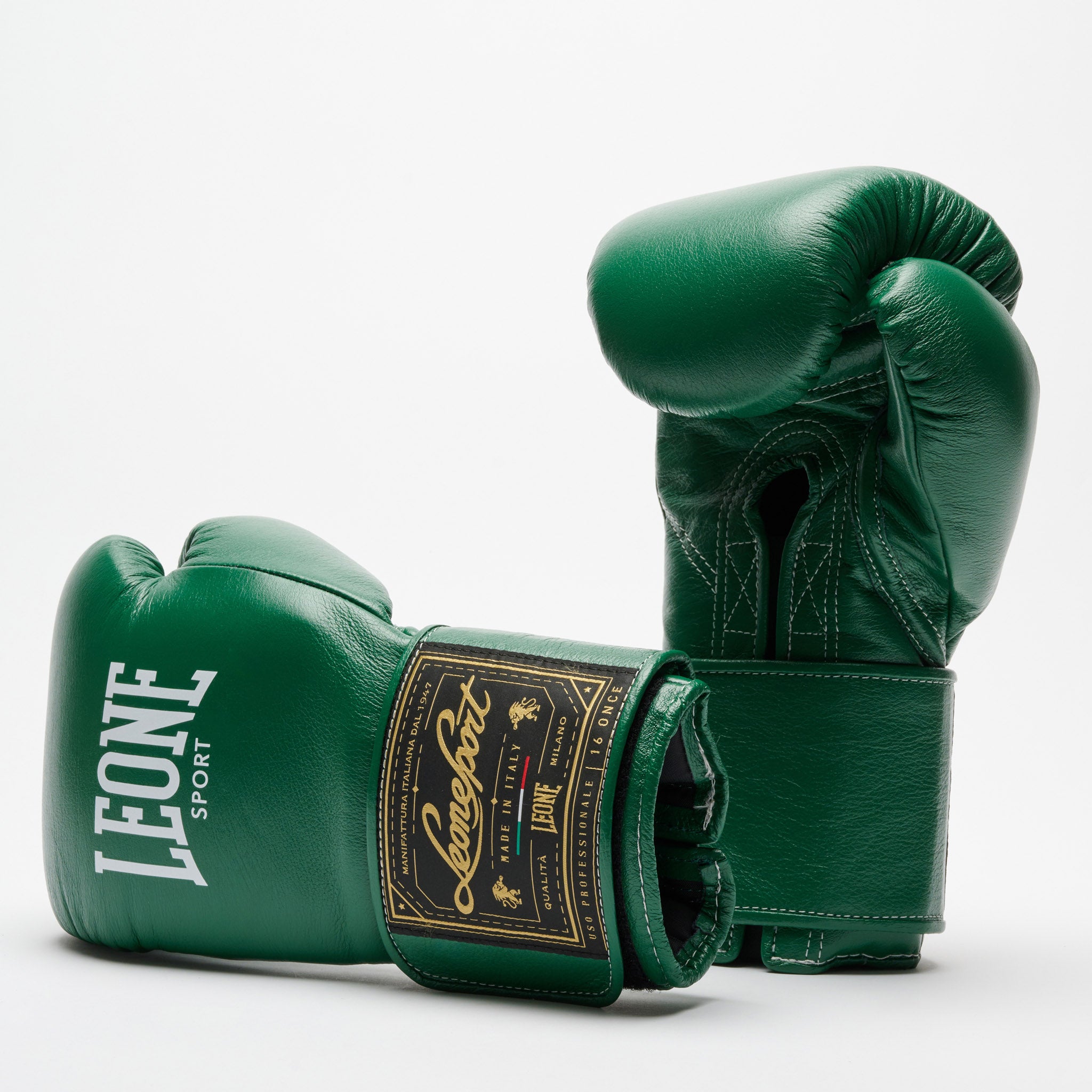
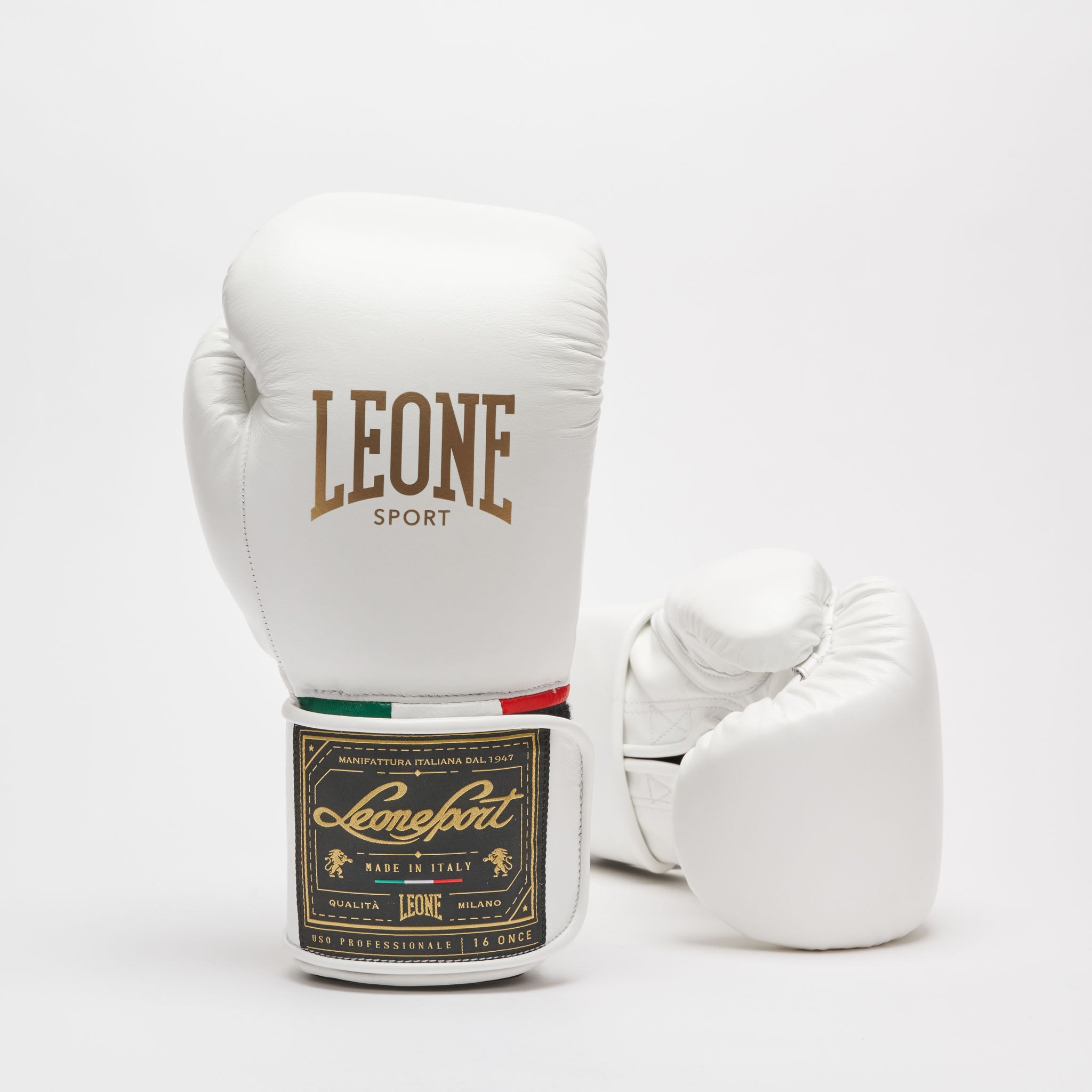
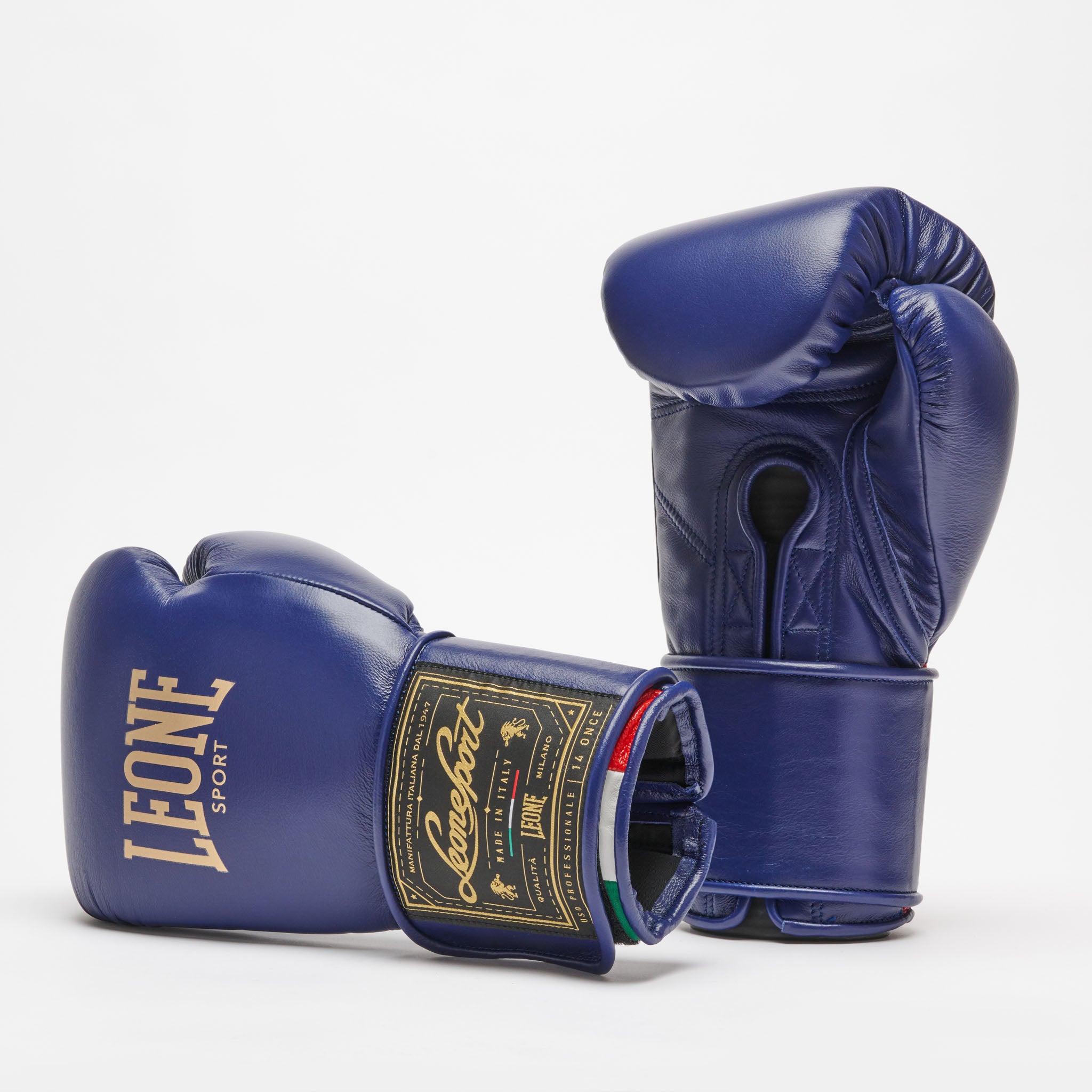
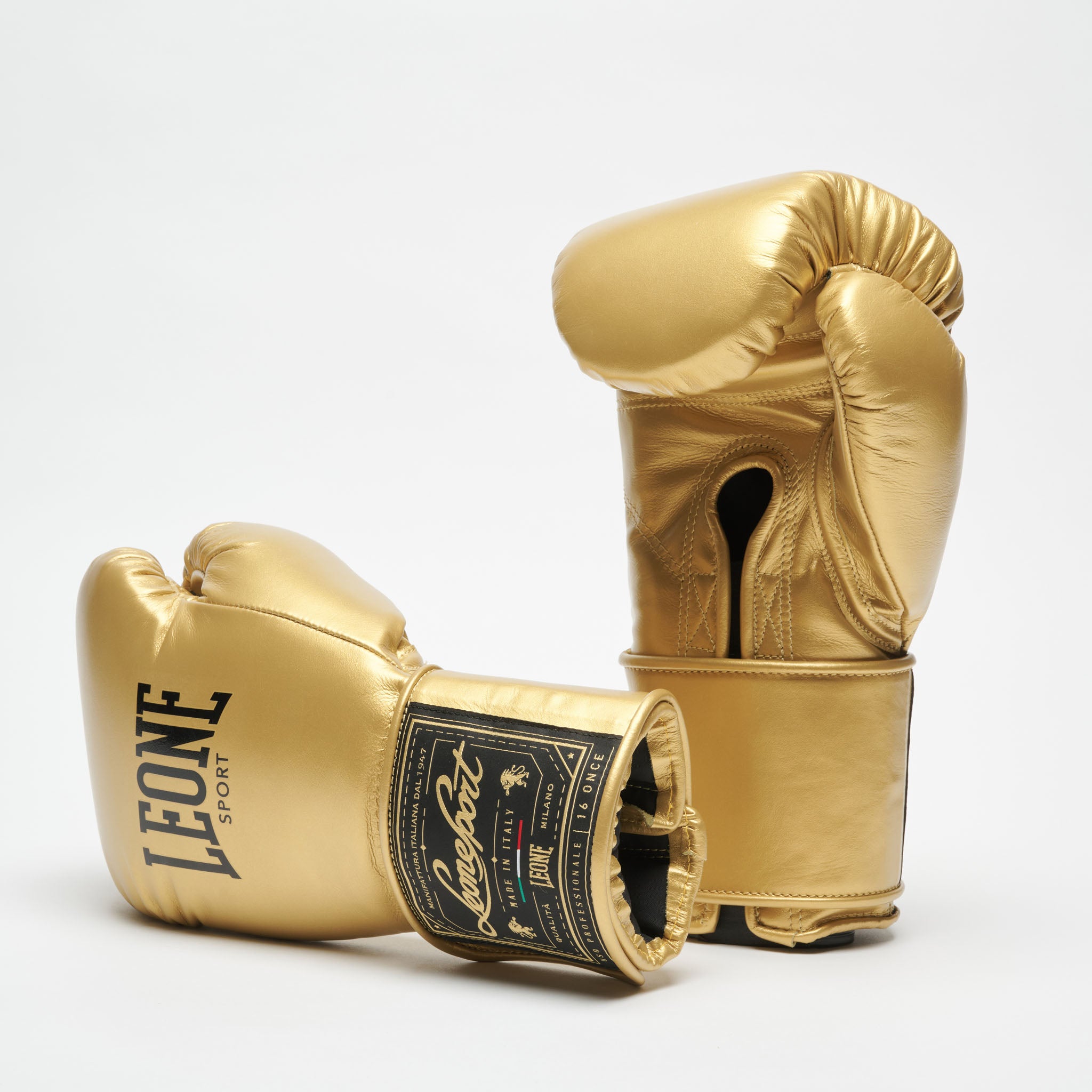
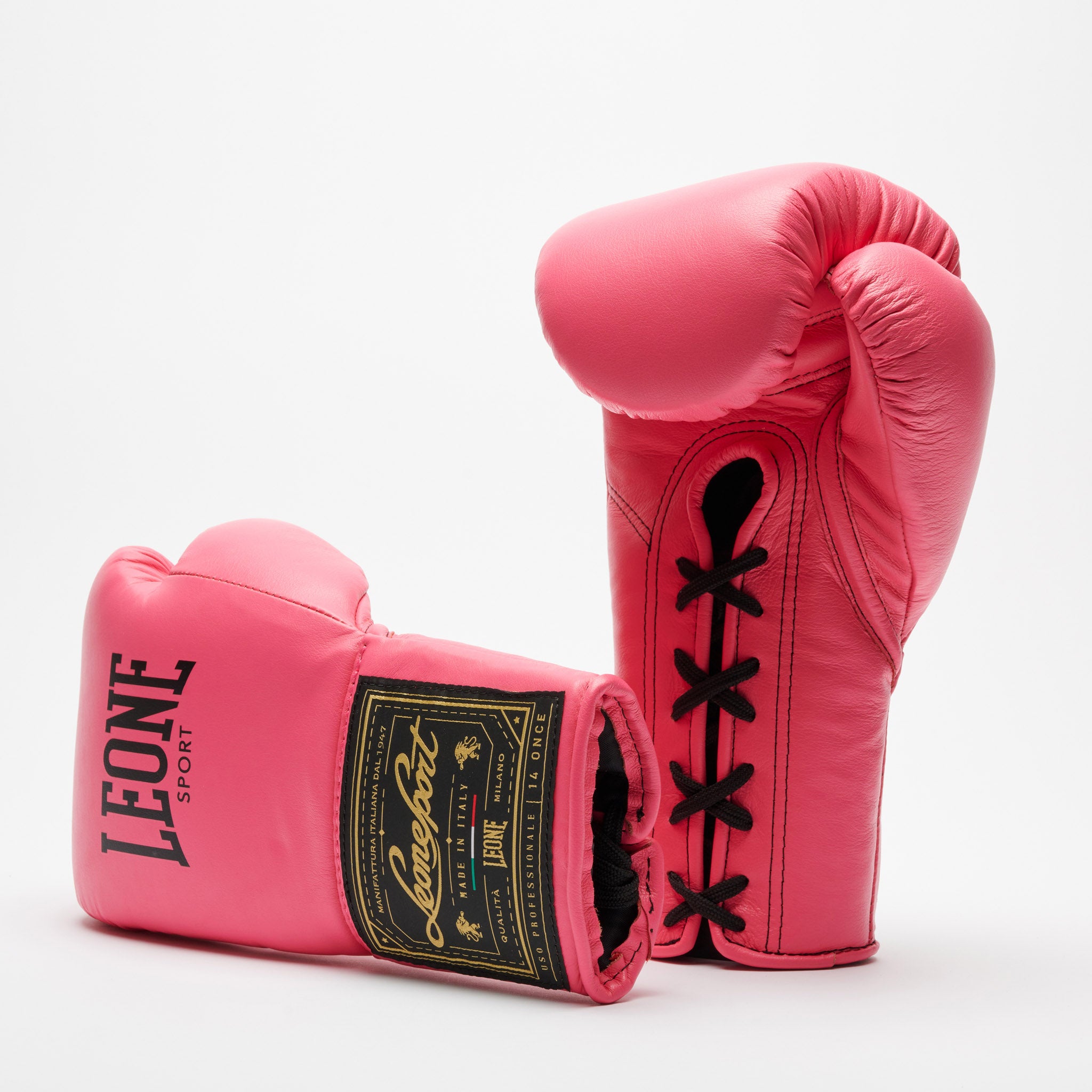
They look the same, but they are designed for two different actions
The difference between boxing and Muay Thai gloves starts with the action they are designed for.
In boxing, the glove must support thousands of punches while keeping the hand and wrist stable. In Muay Thai, it must also do more: work in the clinch, participate in blocks, manage catches, and allow the hand to open partially.
This is why a boxing glove tends to be more structured around the fist and wrist. Muay Thai gloves, on the other hand, tend to allow greater hand mobility and distribute more protection across the back of the hand and sides.
The main differences are therefore three:
- hand and wrist mobility;
- padding distribution;
- overall ergonomics of the fist, palm, and cuff.
And the thumb? It matters, but it's not the right criterion to distinguish the two gloves at a glance. In modern boxing and Muay Thai gloves, the thumb attached to the body of the glove is common.
Can the same gloves be used? Initially, often yes. If the glove is intact, fits well, and is accepted by the coach, it can accompany you in the first sessions of the other discipline. When clinching or boxing volume increases, the specific construction starts to make a difference.
The construction differences between boxing and Muay Thai gloves, one by one
There is no universal geometry that defines every boxing glove or every Muay Thai glove. However, there are precise design trends.
| Feature | Boxing Gloves | Muay Thai Gloves |
|---|---|---|
| Hand | More oriented towards stable fist closure | Easier to open partially |
| Wrist | Tends to be more supported and "locked-in" | Tends to be freer and more mobile |
| Padding | Priority to the knuckle area | More distributed across the back of the hand and sides |
| Clinch | A rigid cuff can be limiting | Greater mobility facilitates close-range work |
| Thumb | Tends to be more oriented towards fist stability | Can promote greater hand mobility; the attached thumb remains common |
| Velcro/Laces | Depends on training and regulations |
Depends on training and regulations |
The most evident point is mobility. In clinching, you don't need a free grip like in an MMA glove, but you must be able to partially open your hand and change your wrist angle without fighting against the glove.
The padding distribution also changes. In boxing, the impact area of the knuckles is central. In Muay Thai, the glove also participates in blocks and parries, so the protection tends to be more widespread.
Be careful with two false indicators: thumb and closure system. "Free thumb equals Muay Thai" is an oversimplification. The same applies to "laces equals boxing" and "Velcro equals Thai": in competition, the regulations decide.
What about kickboxing gloves? In mixed classes, there is a real area of overlap. A balanced training glove, with good wrist support but sufficient mobility, can work well across kickboxing, boxing, and Muay Thai.
Can the same gloves be used for boxing and Muay Thai?
Yes, especially if you are starting a second discipline.
If you come from boxing, you don't need to change gloves for your first Muay Thai lesson. For technique, bag work, and pad work, you can start with the gloves you have, if your coach deems them suitable.
The limitation comes when clinches, catches, and parries become regular. A very rigid glove, strongly pre-formed for punching, can hinder these movements.
The same applies in reverse. A modern Muay Thai glove can be used to start boxing. However, if punching volume and intensity increase, you might prefer the greater support of a boxing-oriented glove.
For a Boxe + Kick + Thai course, the most rational choice is therefore a versatile glove. There's no need to buy two pairs right away.
If you spar regularly, the reasoning changes. It's useful to separate the pair used for thousands of bag hits from the pair intended for your partner, because the front padding degrades with use.
In competition, however, there is no "universal" glove: weight, closure, and approval depend on the regulations of the specific event.
Which gloves to choose: the Leone 1947 range
To choose between boxing or Muay Thai gloves, start with the discipline. Then look at the type of training.
If you primarily box, look for a construction that favors a natural fist closure and good wrist support. The more punching volume increases, the more these characteristics become relevant.
The range of Leone 1947 boxing gloves allows you to choose based on experience, materials, and intended use, from models for beginners to more advanced constructions.
To learn more about weight, use, and fit, also consult the Leone guide on how to choose boxing gloves.
If you do Muay Thai, prioritize mobility. The glove must allow you to close your fist well, but without excessively restricting your hand and wrist during clinches, blocks, and catches.
When looking for the best Muay Thai gloves for your training, don't just look at the text on the product sheet. Try them on with the handwraps you actually use. Check the thumb position, wrist stability, and how easily you can partially open your hand.
If you practice multiple disciplines, look for a compromise. A versatile kickboxing/Muay Thai model or a cross-discipline construction, like those also found in the Leone 1947 DNA line, can be a more sensible choice than an extremely specialized glove.
The rule is simple: first choose by use and discipline. Material and range level come after.
Maintenance and durability: apply to both
Boxing or Muay Thai, the enemy is the same: humidity.
After each training session, remove your gloves from your bag, open them, and let them dry in a ventilated area. Avoid direct heat sources.
Periodically check the padding. Crushed or overly compressed areas, failing stitching, and closures that no longer stabilize the wrist indicate that the glove is losing functionality.
For gloves used in Muay Thai, also observe the back of the hand, palm, and thumb area, which are subjected to different contacts than just punching.
If you train often, also consider separating your bag pair from your sparring pair. This is not a matter of discipline, but of foam wear and partner protection.
To learn more: how to clean your gloves and eliminate odors and when to change boxing gloves.
FAQs about boxing and Muay Thai gloves
What is the difference between boxing gloves and Muay Thai gloves?
Boxing gloves tend to prioritize fist and wrist stability, with particular attention to the knuckle area. Muay Thai gloves tend to allow greater hand and wrist mobility and to distribute padding across the back of the hand and sides, as they are also used in clinches, blocks, and catches.
Can I use the same gloves for boxing and Muay Thai?
Yes, especially in the initial stages. An intact, well-fitting glove accepted by the coach can be used to start the other discipline. When clinching or punching volume becomes regular, a specific glove offers more suitable ergonomics.
Are kickboxing gloves the same as Muay Thai gloves?
Not necessarily. However, there is significant overlap in training gloves. For a mixed boxing, kickboxing, and Muay Thai class, a versatile glove with good wrist support, an attached thumb, distributed padding, and sufficient hand mobility can work well. In competition, the specific rules of the discipline and event always apply.
How many oz should Muay Thai gloves have?
There is no single ounce number that applies to everyone. Ounces indicate the overall weight of the glove, not hand size or directly the level of protection. For sparring, many adults use 14-16 oz or more, but body weight, intensity, and especially gym rules should guide the choice.
Why is the Muay Thai glove more flexible?
Because in Muay Thai, the hand is not just for striking. During clinches, blocks, and catches, it must be able to open partially, and the wrist must be able to change angle with greater freedom. This is why Thai gloves tend to be less restrictive than constructions more oriented towards pure boxing.